Understanding Different Types of Therapy for Addiction in Michigan: A Local Guide
When it comes to overcoming addiction, understanding the various types of therapy available can be pivotal in finding the right path to recovery. In Michigan, a wealth of resources and therapeutic options exists for individuals seeking help. Whether you or a loved one are struggling with substance use, knowing what therapies are available can empower you to make informed decisions. This guide will explore the different types of therapy for addiction in Michigan, helping you find the support you need.
1. Individual Therapy
Individual therapy is a cornerstone of addiction treatment. It involves one-on-one sessions with a licensed therapist who specializes in addiction. This type of therapy allows individuals to explore their thoughts, feelings, and behaviors in a safe environment.
- Cognitive Behavioral Therapy (CBT): This evidence-based approach helps individuals identify and change negative thought patterns that contribute to addiction.
- Motivational Interviewing (MI): This technique helps clients find their intrinsic motivation to change, enhancing their commitment to recovery.
2. Group Therapy
Group therapy offers a supportive community where individuals can share their experiences and learn from one another. In Michigan, numerous recovery support groups and programs provide a platform for participants to connect.
- 12-Step Programs: These programs, such as Alcoholics Anonymous (AA) and Narcotics Anonymous (NA), emphasize community support and shared experiences.
- SMART Recovery: This evidence-based program focuses on self-management and recovery training, empowering individuals to take control of their addiction.
3. Family Therapy
Addiction affects not just the individual but the entire family. Family therapy aims to heal relationships and foster understanding among family members. In Michigan, many treatment centers offer family therapy as part of their programs.
- Systemic Family Therapy: This approach views addiction as a family issue, helping families communicate more effectively and support each other.
- Behavioral Family Therapy: This method focuses on changing family dynamics that contribute to addiction, promoting healthier interactions.
4. Holistic Therapies
Holistic therapies address the mind, body, and spirit, offering a comprehensive approach to recovery. In Michigan, many facilities incorporate holistic practices into their treatment plans.
- Mindfulness and Meditation: Practicing mindfulness can help individuals develop coping skills and reduce stress, making it easier to navigate recovery.
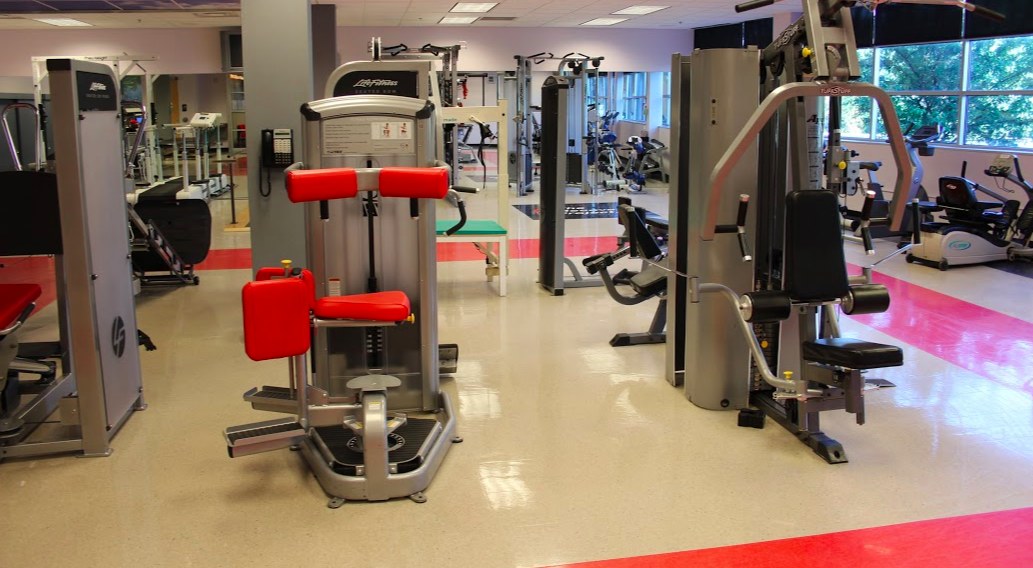
- Yoga and Physical Fitness: Physical activity not only improves health but also boosts mood and self-esteem, supporting the recovery journey.
5. Dual Diagnosis Treatment
Many individuals struggling with addiction also face mental health disorders. Dual diagnosis treatment addresses both issues simultaneously, providing integrated care. In Michigan, various facilities specialize in dual diagnosis, ensuring comprehensive support.
- Integrated Therapy Approaches: These programs combine individual therapy, medication management, and group support to treat both addiction and mental health conditions.
6. Medication-Assisted Treatment (MAT)
For some individuals, medication can be a vital component of recovery. MAT combines medications with counseling and behavioral therapies to treat substance use disorders. In Michigan, several providers offer MAT as part of their treatment plans.
- Opioid Dependency: Medications such as methadone or buprenorphine can help individuals manage cravings and withdrawal symptoms.
- Alcohol Use Disorder: Medications like naltrexone and acamprosate can support recovery efforts by reducing cravings and promoting abstinence.
Finding the Right Therapy for You
Choosing the right type of therapy can be a personal journey. It’s essential to consider your specific needs, preferences, and circumstances. Here are a few steps to help you find the right therapy in Michigan:
- Research Local Resources: Look for treatment centers, therapists, and support groups in your area. Websites such as the Michigan Department of Health and Human Services can provide valuable information.
- Consult with Professionals: Reach out to healthcare providers for recommendations on therapists or treatment centers that fit your needs.
- Attend Introductory Sessions: Many therapists offer initial consultations. Use this opportunity to ask questions and gauge comfort levels.
Recovery is a journey, and it's essential to remember that you are not alone. Michigan offers a range of therapeutic options to support your path to healing. By understanding the different types of therapy available, you can make informed choices and take the first step toward a healthier, happier life.
Ready to start your recovery journey? Contact us today to learn more about the therapy options available in Michigan and find the support you need!
Disclaimer: This article is for informational purposes only and should not be considered medical advice. Always consult with a qualified healthcare provider for professional advice and treatment.
More Recovery Resources in Michigan
Sober Network is a directory, not an intake form. Explore local facilities and contact providers directly.