Understanding Cravings in Addiction Recovery
Cravings are a common challenge for individuals in recovery from substance use disorders. These intense urges can be triggered by various factors, including stress, environmental cues, and even emotional states. Understanding how to handle cravings is crucial for maintaining sobriety and achieving long-term recovery. In this article, we will explore evidence-based strategies tailored specifically for those in Michigan, providing practical steps to help manage cravings effectively.
What Are Cravings?
Cravings can be defined as powerful desires for a substance that can lead to relapse if not managed properly. They are often a result of the brain’s reward system being activated by previous substance use. In Michigan, where the opioid crisis has impacted many communities, understanding and managing cravings is essential for individuals seeking recovery.
Evidence-Based Strategies for Handling Cravings
Here are some effective, evidence-based strategies that can help individuals in Michigan manage their cravings:
1. Mindfulness and Meditation
Mindfulness practices, such as meditation, can significantly reduce cravings. By focusing on the present moment and accepting cravings without judgment, individuals can learn to detach from the urge to use. Local resources like the Mindfulness Center of Grand Rapids offer classes and workshops designed to help individuals cultivate mindfulness skills.
2. Cognitive Behavioral Therapy (CBT)
CBT is a widely recognized method that helps individuals identify and change negative thought patterns associated with cravings. Working with a therapist can provide essential coping strategies. Many Michigan-based facilities, such as Community Mental Health of Michigan, offer CBT programs that focus on addiction recovery.
3. Support Groups
Connecting with others who understand your struggles can be incredibly beneficial. Support groups like Alcoholics Anonymous (AA) and Narcotics Anonymous (NA) have numerous chapters throughout Michigan. These groups not only provide support but also share effective strategies for managing cravings during recovery.
4. Physical Activity
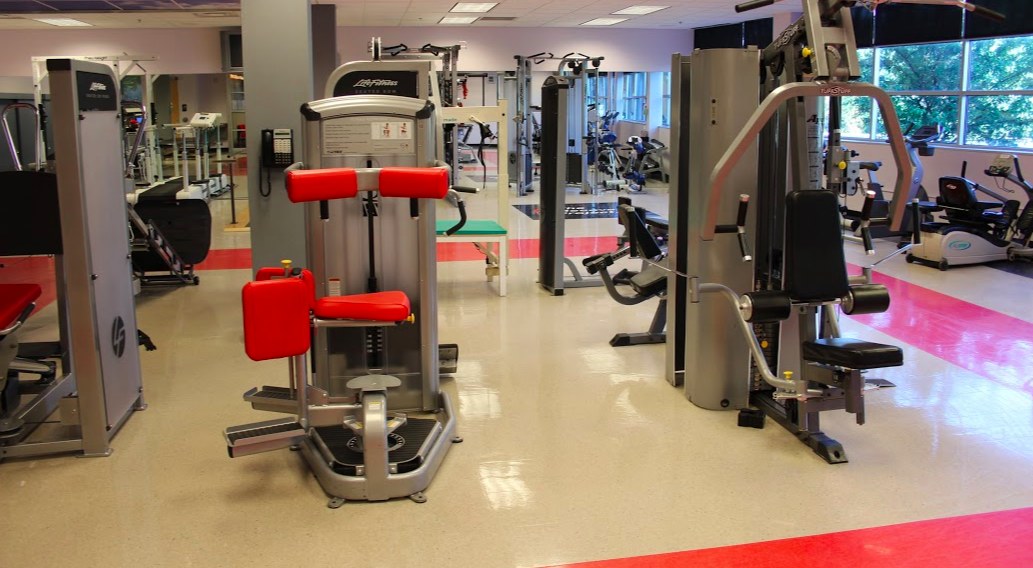
Engaging in regular physical activity can alleviate stress and reduce cravings. Exercise releases endorphins, which can improve mood and overall well-being. Michigan offers a variety of outdoor activities, including hiking in places like Pictured Rocks National Lakeshore, which can serve as a healthy distraction from cravings.
5. Healthy Coping Mechanisms
Developing healthy coping strategies is essential for managing cravings. Here are some practical alternatives:
- Journaling: Writing about your feelings and cravings can provide clarity and relief.
- Art Therapy: Expressing yourself through art can be a powerful way to cope with intense feelings.
- Deep Breathing Exercises: Simple breathing techniques can calm the mind and reduce cravings.
6. Avoiding Triggers
Identifying and avoiding triggers that lead to cravings is crucial. This may involve steering clear of certain people, places, or situations that remind you of past substance use. Create a list of your personal triggers and develop a clear plan for how to navigate them.
7. Nutrition and Hydration
Maintaining a balanced diet and staying hydrated can positively influence your mood and reduce cravings. Incorporate nutritious foods rich in vitamins and minerals, and don’t forget to drink plenty of water. Michigan is known for its fresh produce; consider visiting local farmers' markets to stock up on healthy options.
8. Professional Help
If cravings become overwhelming, seeking professional help is vital. Michigan has numerous treatment centers that offer specialized programs for addiction recovery. Organizations like the Michigan Department of Health and Human Services can guide you toward local resources tailored to your needs.
Local Resources for Recovery
Michigan residents have access to a plethora of resources to support their recovery journey:
- Michigan Recovery Network: A statewide resource for support and recovery information.
- SAMHSA’s National Helpline: A confidential service available 24/7 that can connect you with treatment options in Michigan.
- Local Health Departments: Many counties have programs specifically designed to address addiction and recovery.
Conclusion: Hope and Healing are Possible
Managing cravings is an ongoing process, but with the right strategies and support, it can be done. Remember, recovery is a journey, not a destination. By utilizing the evidence-based strategies outlined above and connecting with local resources in Michigan, you can build a fulfilling, sober life.
If you or someone you know is struggling with cravings or addiction, reach out for help today. You are not alone in this journey, and there are many people and resources ready to support you.
Call to Action: For more information on recovery resources in Michigan, visit our website or contact a local support group today. Your path to recovery starts here!
Disclaimer: The information provided in this article is for educational purposes only and is not a substitute for professional medical advice, diagnosis, or treatment. Always seek the advice of your physician or other qualified health provider with any questions you may have regarding a medical condition.
More Recovery Resources in Michigan
- Relapse Prevention in Michigan: Strategies, Warning Signs & Local Support (2026)
- Addiction Treatment Options in Michigan: Finding the Right Program
- Understanding Different Types of Therapy for Addiction in Michigan: A Local Guide
- Browse Michigan Sober Living Homes
- Find Michigan Detox Centers
- Get Free Help Now
Sober Network is a directory, not an intake form. Explore local facilities and contact providers directly.