Sober Living Homes in Michigan: A Comprehensive Guide
Choosing to pursue sobriety is a courageous step, and finding the right support system is crucial for long-term recovery. Sober living homes in Michigan provide a structured, supportive environment that can help individuals transition from treatment back into everyday life. This guide will walk you through what to expect, typical costs, house rules, tips for choosing the right home, and insurance options available.
What to Expect in Sober Living Homes
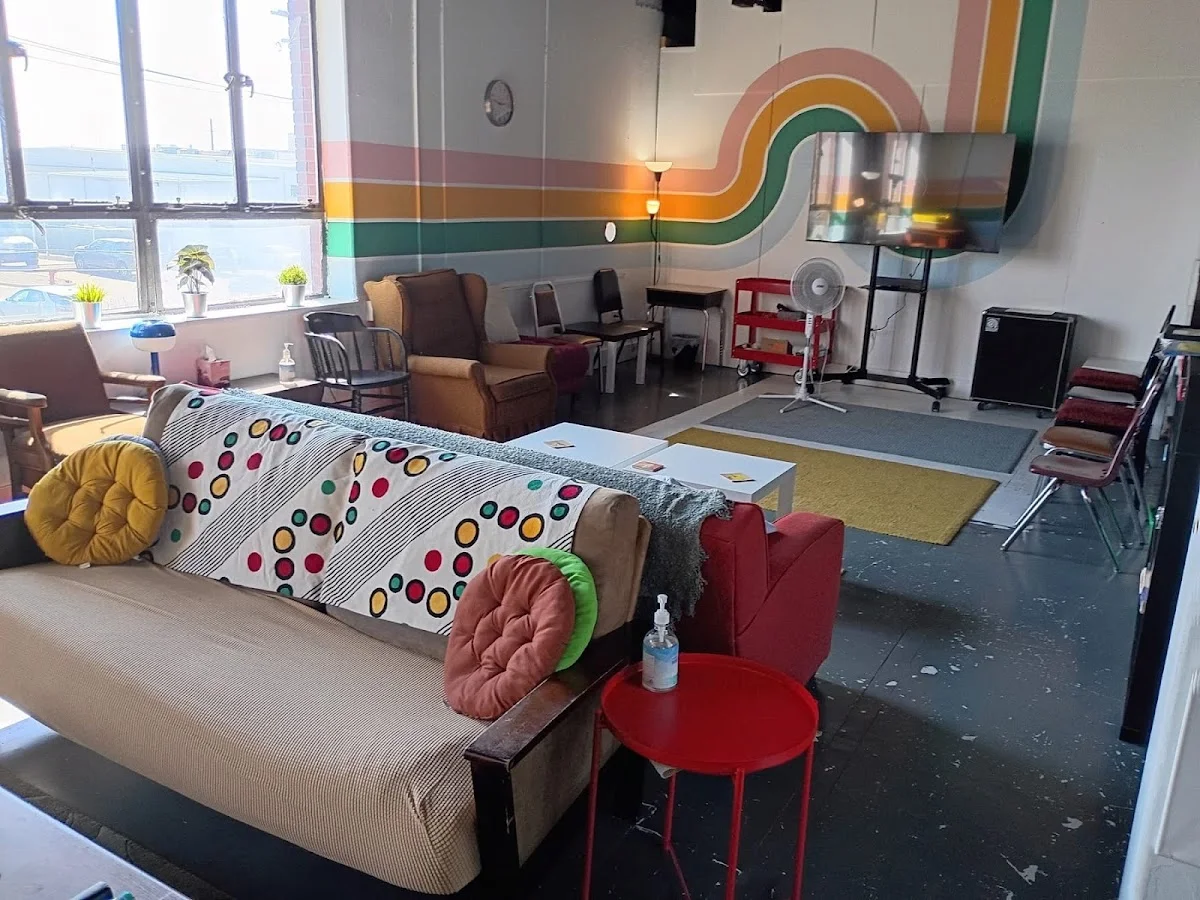
Sober living homes offer a safe space for individuals recovering from addiction. Here’s what you can generally expect:
- 结构化环境: Homes often have a set schedule that includes group meetings, chores, and curfews.
- 同伴支持: Living with others who are on their recovery journeys fosters a sense of community and accountability.
- Access to Resources: Many homes provide connections to local recovery resources, therapy, and job placement services.
- House Meetings: Regular meetings help residents discuss their progress and experiences in a supportive setting.
Typical Costs of Sober Living Homes in Michigan
The cost of sober living homes can vary widely based on several factors, including location and amenities. On average, you can expect to pay:
- 每月 500 至 1500 美元: This typically covers rent and utilities, but may not include food or personal expenses.
- Deposit: Many facilities require a security deposit, which is usually equivalent to one month’s rent.
- 额外费用: Some homes may charge extra for meals, transportation, or additional services like therapy sessions.
戒酒互助之家的房屋守则
While rules can vary by facility, most sober living homes in Michigan share common policies designed to promote recovery and safety:
- 无药物滥用: Absolutely no alcohol or drugs are permitted on the premises.
- 宵禁: Residents are typically required to adhere to curfews to maintain structure.
- 家务和职责: Each resident is expected to contribute to house upkeep, fostering a sense of responsibility.
- 会议出席情况: Participation in regular house meetings and external recovery meetings is often mandatory.
- 尊重他人: Mutual respect among residents is essential for a harmonious living environment.
如何选择合适的戒瘾互助之家
Selecting the right sober living home can make a significant difference in your recovery journey. Here are some tips to guide your decision:
- Research Locations: Look for homes in neighborhoods that feel safe and comfortable for you. Areas like Ann Arbor, Grand Rapids, and Detroit have notable sober living options.
- Visit the Facility: Schedule a visit to meet staff and residents, and assess the living conditions firsthand.
- Inquire About Policies: Ask about house rules, expectations, and the recovery approach used by the facility.
- 查看评价: Look for testimonials or reviews from former residents to gauge their experiences.
- Assess Support Services: Ensure the home provides access to therapy, support groups, and job placement assistance if needed.
Insurance Options for Sober Living Homes
Many insurance plans may cover some costs associated with sober living. Here are a few options to consider:
- Private Insurance: Check with your provider to see if they offer any coverage for residential treatment or sober living.
- State Assistance: Michigan’s Medicaid program may cover sober living costs for eligible individuals.
- 付款计划: Some sober living homes offer flexible payment plans, making it easier for residents to afford their stay.
When exploring insurance options, it’s essential to communicate with both your insurance provider and the sober living facility to understand what services may be covered.
结论
Sober living homes in Michigan can be an invaluable resource for individuals seeking a supportive environment during their recovery journey. By understanding what to expect, the costs involved, and how to choose the right home, you can make informed decisions that align with your recovery goals. Remember, recovery is a journey, and every step you take brings you closer to a brighter, sober future.
本文仅供参考,不构成医疗建议。
More Recovery Resources in Michigan
Sober Network is a directory, not an intake form. Explore local facilities and contact providers directly.